How to Balance Tradition and Modern Expectations in Marriage

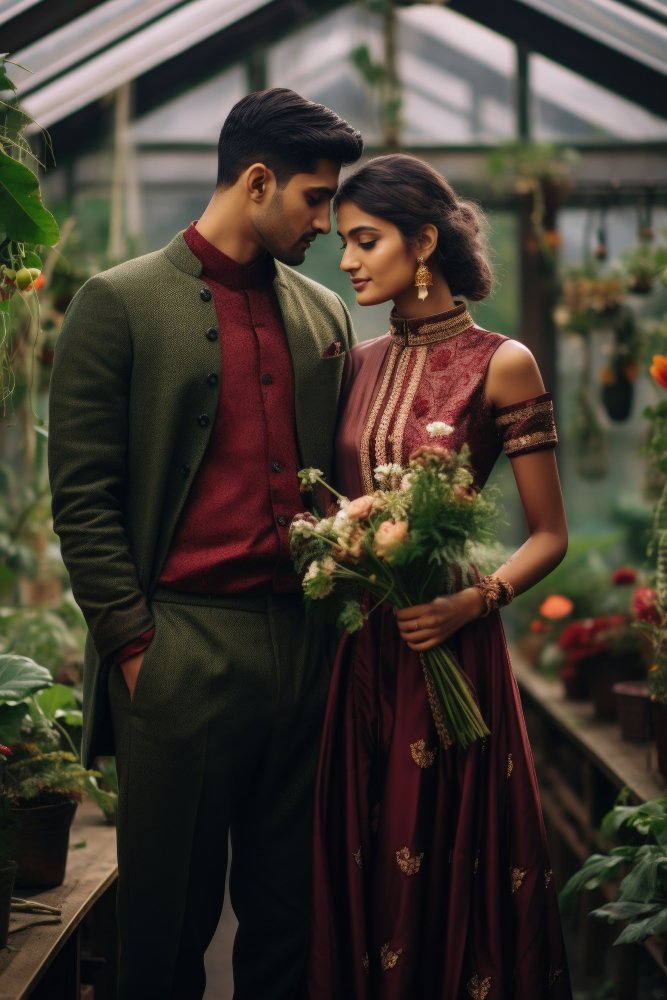
Marriage can be compared to a bridge. On one side is tradition, referring to the customs and culture that our parents and grandparents followed. On the other side are modern ideas, for example, freedom, work, and sharing household chores. Many couples nowadays feel that they are in the middle of this bridge and are confused about which path to choose.
What Does “Balancing Tradition and Modern Expectations” Mean?
The combination of the two means preserving the important customs of the past and at the same time living a life that is in line with today’s world. Tradition is usually concerned with the family unit. It looks at roles that have remained unchanged for ages.
Why Is This Balance Important in Modern Marriages?
Change is so rapid in the world around us. If a couple strictly adheres to all the old rules, they may feel trapped. On the other side of the coin, getting rid of all the traditions can make a couple feel lost, can make a couple feel lost and disoriented not only as a couple but also, at least, from the family they grew up with.
There are many more reasons why a balance is so important. Here are a few:
- It lowers anxiety: You live much more comfortably when you are somewhat familiar with what each of you will do.
- It acknowledges where you come from: Tradition is one of the ways through which we relate to our history.
- It is a window to the future: Modernity gives you freedom to pursue your goals and treat each other as equals.
Key Traditional Values in Marriage
Most of the time, these values that we refer to as traditional are simply fundamental values. They continue to be some of the strongest components of many great marriages:
- Perseverance: Belief that marriage is a commitment for life.
- Respect for Elders: Taking advice from the older generations.
- Keeping the Family Together: Family members usually think about each other first at challenging times.
- Observing Traditions: Going through holiday, festival, and wedding celebrations in ways that have been handed down from generation to generation.
Changing Modern Expectations in Marriage
What people expect from marriage has changed greatly over the years.
- Equality: Both people have the right to express their opinions, especially when it comes to major decision-making.
- Shared Chores: Nowadays, cooking and house cleaning are not only a wife’s work, and earning money is not only a husband’s job.
- Mental Health: More often, couples are open about their emotions and would even ask for counseling when it is necessary.
- Personal Space: Greatly valued by couples is their autonomy, the time they spend outside the marriage: time for hobbies, for friends, etc.
How culture, family, and society shape our marriage decisions
We are not isolated beings. Many of our decisions originate from the people around us:
- Culture: Certain cultures even emphasize holding a big wedding and residing with extended family.
- Family: Usually, parents wish their children to remain faithful to particular traditions.
- Society: Often, social media and movies dictate to us what a “perfect” modern life should look like.
At times, these forces might create conflicts. For instance, your parents may dream of a traditional wedding, whereas you may lean towards a small, modern one.
Practical Ways to Balance Tradition and Modern Expectations
Besides talking, what are the actual things that one can implement? Here are some straightforward ways:
- Discuss: Have a conversation and ask them, “Which traditions do we love?” and “Which ones do we think are outdated?”
- Choose selectively: You do not necessarily have to do everything. Maybe you stick with the traditional family dinner on holidays but share the house cleaning duties 50/50.
- Develop new habits: You can launch your own “modern traditions,” like a weekly movie night or a yearly trip.
- Equipped with the right tools: you can say, “Thanks for your advice, but after thinking it over, we’ve decided to do it this way,” to a family member who has been giving you their opinions.
Common Challenges Couples Face While Balancing Both
It’s not always smooth sailing. Most couples encounter the following “potholes” on the road:
- The “In-Law” Problem: Parents might be upset if you don’t adhere to every tradition.
- Time: Keeping up with one’s job nowadays means busy days. The difficulty is in finding time for long traditional rituals.
- It is very possible to experience guilt: The feeling of being a ‘traitor’ to your cultural heritage may arise from changes in traditions.
How to Respect Tradition While Being Modern
Respect is the magic touch. You don’t have to give up being a modern individual to express profound respect for traditional ways.
- Listening: Even when a custom is not to your liking, try to listen empathetically to why it is so dear to the older generation.
- Telling gently: Do not tell someone, “your way is outdated,” but rather, “We would like to do something that suits our working hours better.”
- Preserve the “Why”: If tradition means “expressing love,” then find a contemporary way to do so.
Real-Life Examples of Balanced Marriages
- The Working Couple: Two career-oriented individuals live in a metropolitan area. Yet, on Sundays, they spend time with their parents and prepare a traditional dish together.
- The Modern-Traditional Wedding: To pay homage to their parents, a couple performs a traditional religious ritual, but at the same time, they exchange wedding vows that demonstrate their modern relationship.
- The Shared Role: On the one hand, a man does all the house chores like cooking and cleaning (modern); on the other hand, the couple still requests the grandfather’s blessing when making a new home purchase (traditional).
Conclusion
You can still have a successful marriage even if it’s “only old” or “only new.” It can also be a wonderful combination of two. See tradition as the roots of a tree; they give you stability. Think of modern ideas as the branches; they enable you to reach for the sun.
FAQ's of Balance Tradition and Modern Expectations in Marriage
How can couples balance tradition and modern expectations in marriage?
The best way is through communication. Explore and define which values mean the most to each of you and then work out how to integrate them into your lives. Be willing to adjust and make compromises.
Is it possible to maintain traditional values in a modern marriage?
Definitely! Traditional virtues such as honesty, loyalty, and family support are eternal. It is entirely possible for you to uphold these values while leading a modern life where both partners are working and sharing the household duties.
How do arranged marriages balance tradition and modernity?
Nowadays, many arranged marriages are more like “semi-arranged.” This is a way of respecting the tradition of family involvement while also acknowledging the modern concept of individual choice.
Can modern couples still follow traditional values?
Surely, many couples today discover that traditional values, such as “having dinner together as a family” or “respecting elders,” bring more meaning and stability to their lives.
What is the conflict between tradition and modernity?
This conflict usually arises when one person desires change while the other is content with the status quo. Such disagreements are frequently about gender roles, spending habits, and the role of extended family.
admin
Table of Contents
You might also like: