Haldi Ceremony in Indian Weddings

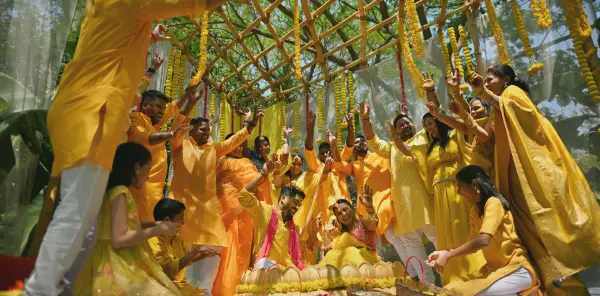
Indian weddings are widely known for their bright colors, loud music, and abundant love. Out of all the occasions, the one that gets everyone talking for its fun and golden glow is the haldi Function. If you have ever seen pictures of a bride or groom covered with yellow paste and having a great time with friends, you have witnessed a haldi Ceremony celebration. In fact, it is one of the most treasured moments of an Indian wedding.
What is Haldi Ceremony?
So, what exactly is a haldi ceremony? Basically, it is a procedure where a paste consisting of turmeric (haldi), sandalwood, and oils is spread on the bride and the groom. This occurs a day or two before the wedding day.
Why is the Haldi Ceremony Celebrated in Indian Weddings?
The haldi function is celebrated for a number of reasons. Firstly, it serves as a means of uniting the family. Wedding preparations can be very stressful, but the haldi ceremony offers everyone a break. Secondly, it is thought to ward off “evil eyes” or bad luck. Most significantly, it represents a blessing.
The Significance Of Haldi Ceremony in India?
The significance of haldi Ritual is rooted in deep tradition. It is believed that turmeric has divine powers in Indian mythology. It also signifies purity and fresh beginnings. In a way, the haldi Function is the bride’s and groom’s “spiritual preparation.” It purifies them both internally and externally before making their sacred promises to each other. Moreover, it is the emblem of life, fertility, and abundance.
What Are the Traditions Involved in the Haldi Function?
Traditions vary across different parts of India, but the essence of haldi ceremony is the same. It is believed that the haldi ceremony is performed separately at the bride’s and groom’s residences. They use grass or mango leaves for applying the paste on the couple’s face, hands, and feet. In some communities, the bride and groom are not allowed to see each other after the Haldi Function until the wedding ceremony starts.
How to Make Haldi Paste?
The preparation of the Haldi paste is a very special occasion. It even involves the ritualistic aspects. You need:
- Turmeric powder: The essential ingredient.
- Sandalwood powder: For fragrance and a refreshing effect.
- Rose water or Milk: To make it smooth.
- Oil (like Almond or Olive): To keep the skin soft.
Blend them to make a dense, creamy yellow paste. It should be fragrant and look bright!
Haldi Ceremony Procedure
Here are the steps involved in a haldi ceremony:
Preparation of Haldi Paste
The family is involved in mixing the components. This is usually accompanied by singing and laughing. The paste is placed in attractive brass or silver bowls.
Setting the Space
Yellow flowers such as marigolds are used to decorate the place. The bride or groom is seated on a low wooden stool or a beautifully decorated chair.
Applying Haldi
First, one family member comes forward, takes a little bit of the paste and touches it gently to the couple’s forehead, cheeks, arms, and legs.
Blessings and Rituals
Once the haldi has been put on, elders throw flower petals at the couple and bless them. Also, some families tie a holy thread around the wrist at this moment.
Celebration Time
After all the rites, the volume of music is raised, and people make merry by dancing, munching on snacks, and sometimes even having a “haldi battle” where they put paste on one another!
How to Make Your Haldi Ceremony an Unforgettable Celebration?
Making your haldi Function a memorable one is simple; just concentrate on the mood. You could have a Yellow Theme where everybody is dressed in yellow. Drum beats by a group of dhol players can be very contagious and get everyone dancing. Besides, a DIY photo booth with amusing props like giant glasses or “Team Bride” signs can be arranged. Handing out small gifts like yellow bangles or sweets to the guests would make the occasion even more unforgettable.
Tips To Remember For Your Haldi Ceremony
- Skin Test: Please do the haldi paste test on a small patch of skin a day before the ceremony to make sure there is no allergic reaction.
- Old Clothes: Inform your guests that the clothes should be the ones that they do not mind getting stained, as turmeric can leave quite a permanent yellow stain.
- Stay Hydrated: Since these ceremonies tend to be long and hot, it is good to have water and some juices at hand.
- Gentle Remove: The paste should not be taken off by scrubbing. Using some oil or warm water is a good way to remove it gently.
- Sunscreen: In case the function is held outdoors, apply sunscreen under the haldi to protect from sunburn.
Conclusion
The haldi ceremony is a wonderful combination of cultural practices, herbal benefits, and parental affection. It undoubtedly enhances the presence of the everyday herb, turning it into a symbol of happiness. Be it the vivid yellow shade or the chuckling of relatives, such a celebration induces experiences that are etched in our hearts forever. When beginnings are marked with a shining light, weddings take up a whole different meaning, and the festivities beg to unfurl in an exquisite manner.
FAQ's of Haldi Function
When is the Haldi ceremony usually performed?
Traditionally, it takes place either the morning of the wedding day or the day before the wedding. It is considered one of the last pre-wedding functions.
Why do people wear yellow during the Haldi ceremony?
Yellow is the color that’s most evocative of the sun, spring, and turmeric. Symbolically, it stands for happiness, energy, and fresh beginnings. Donning yellow is a way of getting everyone into the spirit of the day and allowing them to “wear” the joy that it is all about.
What happens after the Haldi ceremony in a wedding?
Usually, the bride and groom perform a purification ritual by bathing with sacred water. Afterwards, they prepare to attend the highly anticipated ceremony, often the Mehendi or the Wedding.
What should be included in a Haldi Function items list?
Apart from some basics like turmeric powder and sandalwood powder, your shopping list would also include items like rose water, oil, fresh marigold flowers for beautification, a wooden stool, special brass bowls, and plenty of tissues or towels for after clean-up.
What is the Scientific Reason Behind the Haldi Ceremony?
Besides being an antiseptic, turmeric was a very important household item way back in the day. It was used, apart from killing microbes, to protect the bride and groom from illness before their wedding day. It also works as a gentle exfoliant that reveals radiant skin, perfect for posing in the wedding pictures.
What are Haldi ceremony decoration ideas?
The simplest way is by making use of yellow and orange marigold curtains, cloth-crafted hanging parrots, or even yellow umbrellas. Using the traditional mud pots and colorful drapes is another way to distinctly create a “desi” and celebratory ambience at the venue.
admin
Table of Contents
You might also like: