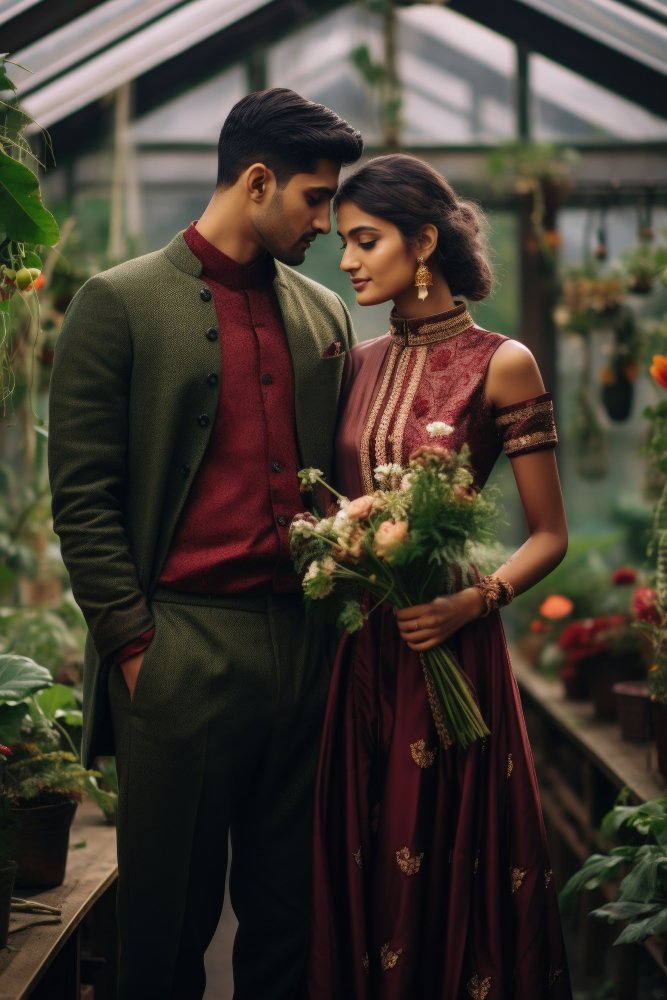
Importance of Kanyadaan in Hindu Rituals

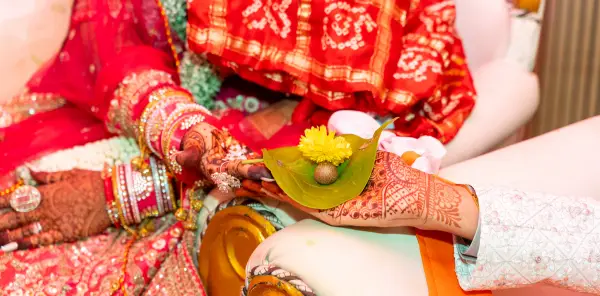
The kanyadaan ceremony is among the most significant and heartfelt rituals at a Hindu wedding. It is the instance when the parents gently place the bride’s hand into the groom’s hand. This gesture is not about giving the daughter away but is rather a blessing for their new life together. The kanyadaan meaning in Hindu wedding combines sentiments, faith, and family principles. It signals the parents’ confidence in the groom and their wishes for their daughter’s happy future.
What is the Kanyadaan Ritual
Many people wonder what is kanyadaan and why it is so significant. The word ‘kanyadaan’ comes from Sanskrit, where ‘kanya’ means daughter and ‘daan’ means giving or donation. This ritual symbolizes the parents offering their daughter to the groom with love, respect, and blessings. Simply put, kanyadaan is the official act of uniting the bride and groom in marriage.
Spiritual Importance of Kanyadaan
In Hindu culture, the kanyadaan ceremony is considered to have a very profound spiritual significance. It is thought to be one of the most pious acts a parent can perform. From a spiritual perspective, it portrays the virtues of selfless love, trust, and the ability to let go. Parents do not consider their daughter as something to give away, but rather as a good fortune that they are sharing. There are many who say that through the kanyadaan ceremony, the family gains peace, good karma, and spiritual development.
Step-by-Step Brief on Kanyadaan Rituals
The kanyadaan ritual is performed in a calm and respectful manner through its traditional phases. Each segment is a reflection of the purity, duty, and love that the ritual embodies.
1. Purification and Vow (Sankalpa)
At the very beginning, the ceremony is marked by prayer and purification. The father or guardian takes a vow called sankalpa, which means he declares his intention to offer his daughter in marriage through kanyadaan. This demonstrates a willingness to execute a divine duty.
2. Bride’s Arrival
The bride is ushered into the wedding mandap and positioned next to her parents. The room usually gets emotionally charged. The parents silently communicate their affection and pride towards their daughter while reminiscing about the endless changes that she will be going through in her life. It also serves as a reminder that she is transitioning from one stage of life to another.
3. Lineage Announcement and Intent
At this stage, the priest has the father declare his family lineage and background. The purpose of this is to display openness and reverence towards the tradition. The father proceeds to express his decision to carry out the kanyadaan ritual. This, therefore, makes the ceremony not only formal but also complete in a spiritual sense.
4. Hasta Milap Ceremony
During the Hasta Milap ceremony, the bride’s hand is placed into the groom’s hand. The bride’s and the groom’s hands are sometimes bound together by a sacred cloth. This signifies the connection of the two souls and the families as well. The hand-joining step is the highlight of kanyadaan.
5. Jal Dhara Ritual
In the Jal Dhara ritual, water is gently poured over the couple’s hands. The act signifies the couple’s commitment to the marital bond. At the same time, it confers upon them a lovely and harmonious wedded life.
6. Acceptance Vow
Next, the groom formally accepts the responsibility of welcoming the bride into his family. The sincerity found in the vow makes it clear that marriage is not an act of possession but a union of two equal human beings. The ceremony at this stage is made equal and is balanced with the introduction of mutual obligation.
7. Granthi Bandan
This type of knotting between the garments of the bride and the groom implies symbolism of their unity and togetherness. It is a direct indication of a binding forever commitment. From this point, they walk the path of life as one.
8. Elders’ Blessings
The ceremony is completed with elders and family members showering blessings upon the couple. When the elders lay their hands over the heads of the young and say their prayers, they are essentially wishing them happiness, good health, and a long life. The blessings bestowed at this stage not only have a strong historical and emotional resonance but also serve as a beacon for the journey the couple is about to embark on in their new life together.
Emotional Significance of Kanyadaan
The kanyadaan ritual stands out as one of the most heartfelt moments during a wedding. It is a blend of emotions for parents who experience joy and pride along with a tinge of sadness. They find it hard to part with their daughter. On the one hand, the bride experiences a vast transition in her life; on the other hand. Flowing tears are love and hope-packed.
Who performs Kanyadaan?
Usually, the kanyadaan ritual is done by the father. In case the father is not around, the mother can do it. Other guardians, like the uncle or grandfather, can also be the ones to do the kanyadaan. People often wonder if a widow can do kanyadaan. The answer is yes; a widow can do kanyadaan, and nowadays, many families warmly welcome it. What matters most is loving intention rather than one’s condition.
Is Kanyadaan needed to complete a Hindu marriage?
Kanyadaan holds a certain significance, but at the same time, it is not necessary for a Hindu marriage. Certain communities have different customs, and they do not practice kanyadaan. A Hindu marriage gets sealed by the couple exchanging vows, the fire ceremonies, and their agreement. Therefore, while kanyadaan imparts emotional and spiritual aspects, it is not obligatory everywhere.
Conclusion
The real kanyadaan meaning goes well beyond the mere one of ritual. It is the act of faith, affection, and best wishes for the new life that is to come. The kanyadaan ceremony binds not only generations but also families thanks to their belief and feelings.
Today’s kanyadaan performed with complete knowledge can still be a powerful symbol of love. With love and respect at the center, kanyadaan is the celebration of these values and the bonding of people.
FAQ's of Kanyadaan Rituals in Hindu Weddings
Can a widow do kanyadaan?
Among the various questions raised, “Can a widow do kanyadaan?” is one that really comes up a lot. A widow can perform kanyadaan with full respect. The act is more about love than about marital status.
Is kanyadaan still relevant today?
Yes, the ritual of kanyadaan still holds significance in today’s world. Many families carry it out with a modern and respectful understanding. It has now become more about blessings and emotional bonding.
Is kanyadaan practiced in all Hindu communities?
Not all Hindu communities practice kanyadaan. Local custom and tradition determine such practices. All sorts of marriage rituals are equally honored.
Why is kanyadaan considered the greatest daan?
Kanyadaan is considered the greatest daan, as it is a selfless gesture. The parents offer their daughter immense love and trust. The purity of this act is what makes it spiritually significant.
admin
Table of Contents
You might also like: