Marriage in India: Understanding the Importance of Marriage in India

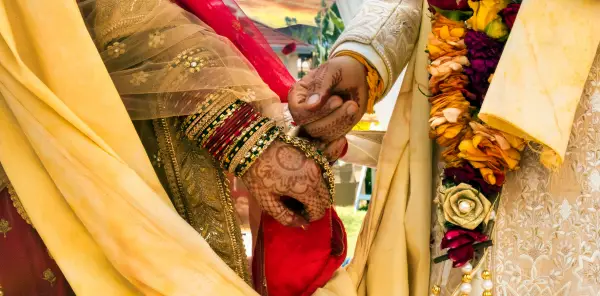
Indian marriage is not merely an association between two individuals. Indian marriage is a spiritual relationship between hearts, families, and traditions. Marriages in India have been recognized as an unbreakable promise for life, love, care, and support for many years. Marriages in Indian culture also hold significance in the formation of an individual’s life and society. Indian marriage brings joy, stability, and responsibility in an individual’s life. An individual also learns how to live in society with respect, understanding, and marriage.
What is Marriage in India?
Indian marriages are a social and emotional amalgamation of two people. Marriages in India are also known for rituals, traditions, and family blessings. It has been seen that in Indian society, a wedding is not just limited to two people, but two families also join together. It involves a sense of responsibility, love, and common goals in life. It also holds a legal sense where both people have certain rights and responsibilities.
Importance of Marriage in India
Marriage is an invaluable institution in Indian culture and society. It increases the emotional and social growth of an individual. It increases order in family life, leading to feelings of belongingness. Marriage is also helpful in strengthening moral values and social equilibrium. Some reasons are mentioned below, stating the importance of marriage in Indian culture.
Provides emotional stability and companionship
Marriage provides companionship under all conditions in life. Life companions mean that you do not lack companions when you are happy or when times are tough. Husbands and wives communicate their thoughts, fears, and dreams to each other. The emotional tie that comes with marriage assists in lowering stress and feelings of loneliness. A healthy marriage provides an environment that makes one feel understood and appreciated.
Builds a strong family foundation
A marriage forms the cornerstone of a robust and sound family. Marriage builds a stable home for the inculcation of values and tradition. Children in a married family are usually more secure. A marriage assists in promoting cooperation between the father and mother in bringing up children. A robust family helps in developing a sound society.
Encourages trust and commitment
A promise to remain loyal and committed is what is the purpose of marriage. The virtue of trust can be learned via honesty and empathy. Once a couple has committed to each other, they are able to be themselves around each other. They feel safe to reveal who they are, and trust enables them to tackle life’s problems side by side.
Strengthens social and community values
Marriage also connects individuals outside of the pair. It brings families and communities together. Weddings in India are social gatherings that ensure togetherness. Marriage also promotes respect for elders and the coming together of families. It also maintains society in order and harmony. Society becomes stronger when families are united.
Supports shared financial planning
Marriage assists both partners in financial planning. The couple is also able to share financial burdens and savings. Since both work together, it eases financial burdens. The couple is also able to look into their future, for instance, buying a house or educating their children. Marriage is also a site where financial acumen is learned.
Fosters mutual respect and cooperation
Marriage teaches couples to respect the feelings and opinions of one another. Marriage also teaches couples to cooperate and work together in all aspects of life. Partners in marriage learn to take joint decisions. All sorts of issues are resolved through respect in marriage. By showing respect for each other, couples get stronger in their relations.
Promotes personal growth and maturity
Marriage promotes emotional and mental development in people. Living together teaches patience and tolerance. One can learn to adjust and compromise. Marriage stimulates responsibility and self-control. This increases caring and maturity in people. Personal growth is beneficial to both spouses and their family.
Preserves cultural and social traditions
Marriage ensures that Indian traditions are retained. Practices and traditions are transferred from one generation to another through marriage. Marriage teaches respecting cultural traditions. Marriage bridges modernization and ancient traditions. Marriage ensures that languages, customs, and family traditions are retained.
Conclusion
The institution of marriage in India has great significance. It adds vigor to one’s emotional life. It gives stability to one’s social life. It adds continuity to one’s culture. It is a source of aid in one’s personal as well as family growth. It builds up love, trust, and a sense of responsibility. The institution of marriage has remained relevant in the modern era as well.
FAQ's
What role does marriage play in raising children?
Marriage creates a stable environment in which children can grow. Marriage provides emotional security and direction. Also, married parents are able to supervise their children in teaching them moral standards and discipline. The family plays an important role in helping children develop confidently. Marriage assists in instilling the feelings of being loved and cared for in children.
Does marriage have legal importance?
Of course, marriage has legal significance in India. It provides rights and responsibilities to both members. The marriage laws protect the spouses in areas such as property rights and maintenance. The marriage laws also protect the rights of the children.
Can understanding the purpose of marriage improve relationships?
Indeed, understanding married life can provide stronger foundations for building relations. It promotes patience and respect. It will be easier for couples to communicate if they understand common goals. It will resolve disputes in a composed manner. It provides awareness that even leads to a deeper emotional attachment.
Why is the importance of marriage highlighted in Indian culture?
Indian culture emphasizes family and unity. Marriage enhances these qualities. It brings generations and continuity of practices together. Marriage also promotes unity in society. For these reasons, it has a significant place in Indian society.
What are the main goals or purpose of marriage?
The primary purposes of marriage are friendship, affection, and family. Marriage leads to love, trust, and loyalty. Marriage is a process that enables people to develop or grow alongside each other. Additionally, it provides social and cultural stability. Thus, marriage leads to a well-balanced and fulfilling life.
admin
Table of Contents
You might also like: