Marriage Laws in India: Rights and Responsibilities of Couples

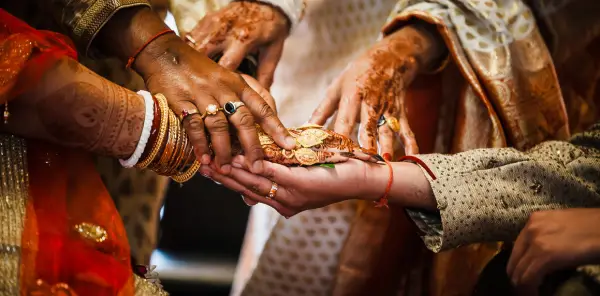
Marriage is an excellent relationship between two individuals. Marriage in India is not just a societal commitment but also an agreement in law. Marriage laws are very important, as they help married couples know their rights and responsibilities after getting married. The law protects the husband as well as the wife. The law also protects children and families. The law of marriage in India provides security, respect, and legal assistance to married individuals. Understanding the law of marriage helps married individuals enjoy their married life securely.
Why are marriage laws important in India?
Marriage laws have significance since they help guide couples in society to live together legally. The laws ensure that there is protection of personal rights and that there is safety. The laws concerning marriage in India assist in solving disputes justly and fairly.
Legal Structure
Indian marriage laws provide a clear institutional framework for marriage. Indian marriage laws state how a marriage has to take place. Indian marriage laws also state who marries and how. Indian marriage laws eliminate confusion and misapplication of marriage.
Legal Rights and Duties
Indian laws regarding marriage clearly establish the rights and responsibilities of both persons in marriage. Both the husband and wife have equal rights in Indian law. The given laws ensure a balance in marriage.
Legal Security
The law of marriage offers couples legal security. These include guards in case of disputes, separation, or divorce. These also aid in circumstances of abuse and neglect. Such legal security offers high value in evoking peace of mind.
Legal Validity
A marriage will be legal only if it follows the right procedure under the marriage act. Being legal will help the newlyweds establish the fact of their legal marriage, either in a courtroom or an office of the state. This will also be very helpful for them regarding property and banking transactions.
Social Integration
The marriage laws assist in getting social acceptance. A valid marriage gets respect from society. It assists the couple in living with dignity in the community.
How many Types of Marriage Laws in India?
Each religion has its own marriage laws in India. The laws are based on cultural and religious traditions. They also give legal security to couples.
Hindu Marriage Act, 1955
The Hindu Marriage Act is applicable to Hindus, Buddhists, Jains, and Sikhs. It describes the regulations regarding marriage, marriage dissolution, and maintenance. The marriage legislation also deals with adoption and guardianship. It provides equality and justice to both parties.
Muslim Personal Law (Sharita) Application Act, 1937
This law applies to Muslims in India. It has been framed according to Islamic rules. This law deals with marriage, divorce, maintenance, and inheritance. This law guards the rights of both husband and wife under the Muslim personal law.
Christian Marriage Act, 1872
The Christian Marriage Act is applicable to Christians in India. It describes how a Christian marriage should take place and how it should be registered. All Christian married couples have equal rights, thanks to this act.
Parsi Marriage and Divorce Act, 1936
This Marriage Act is applicable to Parsis. This document describes marriage regulations, requirements of divorce, and legal obligations. This act provides legal security as well as protection of Parsi customs.
Special Marriage Act, 1954
The Special Marriage Act is for interreligious marriages and civil marriages. This allows persons belonging to different religions to marry. The Special Marriage Act is very helpful for persons who would like to have a court marriage.
Rights of Married Couples in India
The Indian marriage laws provide numerous significant rights to the married couple. The rights include respect, equality, and security within married life.
Right to Equality & Respect
The rights of both the husband and wife are equal. No one is superior or inferior. The marriage laws in India ensure respect and an understanding between the couple.
Right to Maintenance and Financial Support
If a spouse lacks the means to support himself or herself, maintenance may be sought. This privilege may be accorded to the husband or wife. Marriage laws provide for economic support after a separation or divorce.
Right to Residence
The right of every married woman to stay in the dwelling that she shares with her spouse is recognized. A woman cannot be kicked out unjustly.
Right to Inheritance and Property
A marriage law provides that spouses can inherit property. Both spouses also enjoy rights to property that they share. Children also receive protection regarding family property.
Right to Divorce and Legal Separation
In cases where marriage turns out to be unhappy or insecure, couples have every right to get divorced. Indian marriage laws are fair and just for divorce.
Responsibilities of Married Couples in India
Apart from the rights, laws on marriage also outline responsibilities. These responsibilities ensure there is equilibrium and harmony in marriage.
Duty of Mutual Support
Both should emotionally and mentally be there for each other. Marriage is not a competition but a partnership. Taking care of each other develops strong chemistry.
Responsibility to Maintain the Family
Both the husband and the wife should be responsible in meeting the needs of the family. These needs include food, shelter, and day-to-day expenditures. The laws governing marriage require joint efforts in domestic life.
Responsibility Towards Children
It is the responsibility of the parents to take care of the children and educate them. It is the responsibility of the parents to love, protect, and guide the children. Marriage laws in India are strict concerning children’s rights.
Obligation of Faithfulness
In marriage, honesty and fidelity are expected. Fidelity encourages loyalty. These act as moral as well as legal norms.
Compliance with Legal Procedures
Registrar guidelines need to be followed by couples. It eliminates any problems later on. That is how validity within Indian marriage laws is secured.
Conclusion
The laws related to marriage in India are extremely important for a conjugal life. Marriage laws maintain rights and responsibilities. Such laws promote equality, security, and justice. Knowledge regarding marriage laws aids better decision-making. Whether it is a love marriage, arranged marriage, or court marriage, awareness regarding the laws of marriage in India ensures a safer and happier future.
FAQ's
What is the legal age for marriage in India?
The age at which someone can get married in India is 21 for males and 18 for females.
Is marriage registration mandatory in India?
Registration of marriage is highly recommended. It provides legal documentation and ease in legal procedures.
Can a wife claim maintenance from her husband?
Yes, where the wife is not able to sustain herself, then she can claim maintenance.
Does a husband have the right to claim maintenance?
In some instances, yes. If the husband is unable to earn, then the husband may have maintenance under specific laws regarding marriage.
Are children from all marriages legally protected?
Indeed, children belonging to all forms of recognized marriage are safeguarded by Indian marriage law.
admin
Table of Contents
You might also like: