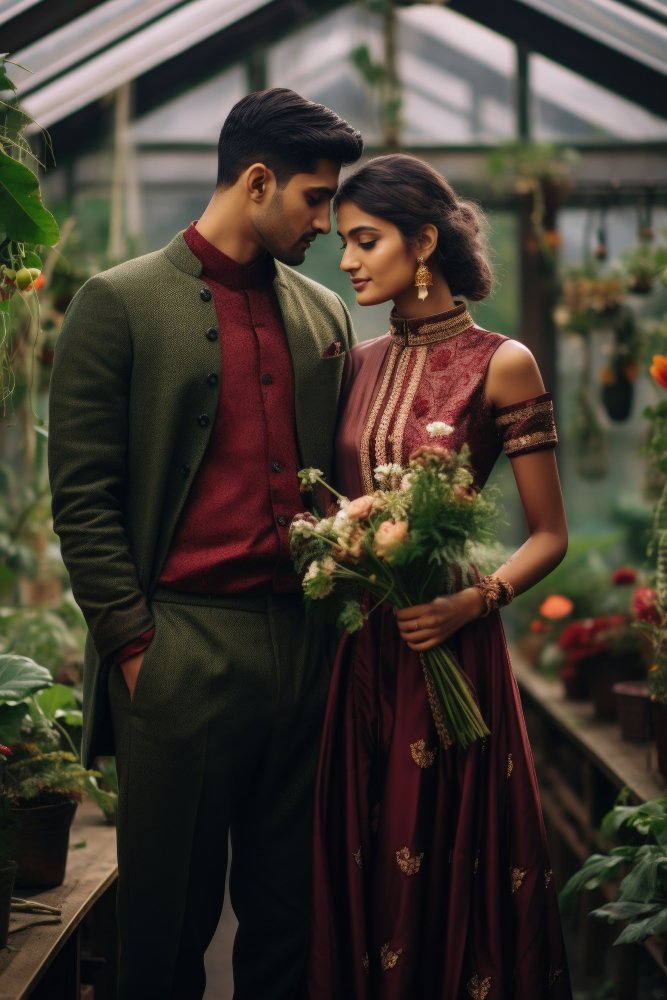
The Complete Guide to Solah Shringaar for Brides in India

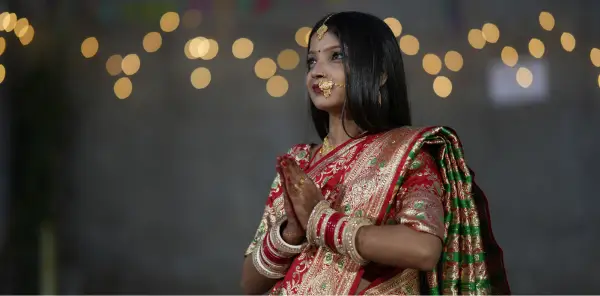
The bridal tradition of Solah Shringaar exists as a beautiful custom which Indian brides observe throughout various Indian regions. The process involves more than just beauty enhancement because it marks the beginning of her new life as a bride. The components of Solah Shringaar create a complete look which brings divine blessings to the bride. The ritual bestows upon the bride her wedding day aesthetic beauty and positive spiritual energy. For many years Indian couples have used Solah Shringaar as their essential wedding tradition.
What is Solah Shringaar?
The term Solah Shringaar describes the sixteen adornments which brides wear during their wedding ceremony. The sixteen elements of this collection feature jewelry and makeup along with traditional decorative items. The bride achieves enhanced beauty through each component which creates an elegant and natural appearance. The Solah Shringaar ritual takes place before the wedding ceremony. The symbol represents three concepts which include purity and happiness and readiness for life as a married couple. The custom exists as an essential element of Indian traditions because it maintains deep cultural connections to Indian beliefs.
Why Solah Shringaar Matters in Indian Marriages
Indian weddings require Solah Shringaar because it possesses both emotional significance and cultural importance. The ritual serves as a landmark moment which shows that the bride has moved from being a girl to becoming a married woman. The elders believe that these rituals will bring good luck while they also create a shield which protects the bride from harm. The practice operates as a method to maintain the family traditions which have existed since ancient times. The occasion brings happiness and pride to the family.
Significance of Solah Shringaar in Indian Marriages
The practice of Solah Shringaar which includes sixteen different elements of beauty creates more than just a decorative appearance. The practice links spiritual customs to traditional cultural elements. The ritual reminds everyone that marriage is sacred and meaningful.
Sindoor
The bride uses sindoor which consists of red powder to decorate her hair at the parting point. The union between husband and wife shows their everlasting bond through this powerful marriage symbol. Sindoor brings married women a sense of dignity when they wear it. The practice shows dedication to her husband relationship while showing her love for him. Sindoor serves as the most significant indicator that a woman has entered into marriage.
Keshapasharachana
Keshapasharachana describes the process of creating stylish hair designs for brides. The hair undergoes cleansing before workers apply oil to create a stunning final presentation. The hair is decorated with flowers and jewels or accessories to achieve a stylish appearance. The bride’s complete appearance benefits from her expertly styled hair. The appearance presents a combination of cleanliness and elegant sophistication.
Maangtika
Maangtika is a forehead ornament that sits along the hair parting line. The decorative piece highlights the bride’s facial features. This ornament is believed to balance emotions and thoughts. The piece brings both traditional elements and attractive appearance to bridal fashion. Many brides choose designs that match their outfit.
Bindi
The central forehead position of bindi serves to show spiritual concentration which brings wisdom and good luck. For bride makeup the most common choice is to use a red bindi. The bindi contributes to facial feature enhancement while creating a timeless appearance. The bindi enhances the bridal appearance by providing an elegant and uncomplicated finishing touch.
Kajal
Kajal is applied to the eyes to make them look bold and expressive. The product enhances eye beauty while providing an increasing effect of depth to the user. The traditional use of kajal serves to safeguard people from harmful energies according to historical beliefs. The bride achieves a delicate appearance through the use of this product which creates a powerful impression. Kajal has been used for centuries in Indian homes.
Karn Phool
Karn Phool refers to earrings which brides wear during their wedding ceremony. The earrings create a visual frame which makes the wearer more attractive. The earring collection includes multiple designs which range from basic to elaborate. The design elements of the jewelry piece express both feminine and sophisticated beauty. The wedding attire gains additional shine through the usage of Karn Phool.
Nath
The traditional wedding nose jewelry which brides wear is called Nath. The object serves as a sign of both marital status and personal dignity. In some regions, it is linked to family traditions. Nath adds grace and a royal touch. It often becomes the highlight of the bridal face.
Haar
The word haar describes a specific type of necklace. Most brides select multiple necklaces to wear on their wedding day. The objects serve to show financial success while providing safety and protection for their users. The necklaces give the outfit an appearance of enhanced value. The necklaces create a complete set of bridal jewelry which matches the wedding outfit.
Bajuband
The upper arm receives decoration with Bajuband which represents both strength and beauty. The ornament allows for arm movement during rituals while it brings traditional style. Gold or stones common design elements appear in Bajuband.
Choodiyan
Choodiyan are bangles worn on both hands. They symbolize happiness and good luck. The sound of bangles brings positivity according to belief. Bangles also represent married life. No bridal look feels complete without them.
Hathphool
Hathphool connects rings to a bracelet on the hand. It creates graceful hand movements. The jewelry piece brings attention to mehndi designs. Hathphool adds elegance without being heavy. People love it because of its delicate beauty.
Mehndi
Mehndi is applied on hands and feet. It represents love and joy and blessings. People believe that dark mehndi shows strong marital ties. The designs tell stories and traditions. Mehndi ceremonies bring joy and festive atmosphere.
Kamarband
People wear Kamarband as a waist accessory. The bridal outfit needs this element to achieve proper fit. The component improves body alignment. The ornament represents feminine qualities and graceful attributes. The bridal appearance receives balance through Kamarband.
Payals
People wear payals as anklets that decorate their feet. The soft sound they make brings people good luck according to belief. The items symbolize wealth and joyful living. Payals make feet look more attractive. They serve as a vital bridal decoration piece.
Bichhua
Bichhua serves as toe rings which married women use to display their married status. The rings serve as both health protection and health protection. Bichhua presents itself as a simple design which holds deep cultural significance. The wedding ceremony requires this jewelry piece to complete the traditional bridal look.
Keshapasharachana
The final stage establishes the complete bridal look through its finishing process. The process involves securing loose hair strands while adjusting wedding decorations. The procedure guarantees that the bride appears to be both composed and self-assured. The process unifies all elements of the appearance. The process indicates that he has achieved full preparation for the upcoming wedding rituals.
Conclusion
Solah Shringaar extends beyond its function as a decorative element. The practice combines traditional elements with aesthetic beauty and emotional expression. Every item used in the performance carries distinct symbolic significance which serves a specific function. The bridal ensemble shows the various aspects of her upcoming marriage and new life. The ritual establishes a cultural connection which enables different generations to experience their shared heritage. The complete bridal look achieved through Solah Shringaar brings special value to brides.
FAQ's of The Complete Guide to Solah Shringaar for Brides in India
When is Solah Shringaar usually performed?
Solah Shringaar is usually done on the wedding day before the main ceremony.
Is Solah Shringaar the same across India?
The core items remain the same, but styles and names may vary by region.
How long does the Solah Shringaar ritual take?
The duration varies from three hours to more depending on which clothes and accessories the bride selects.
Why is the number 16 considered auspicious in Solah Shringaar?
The number 16 represents completeness and prosperity in Indian culture.
What role does Solah Shringaar play in a bride’s transformation?
The process indicates the start of three significant changes which lead to her entry into married life.
admin