Why Marriage Biodata Is Important for Finding the Right Match

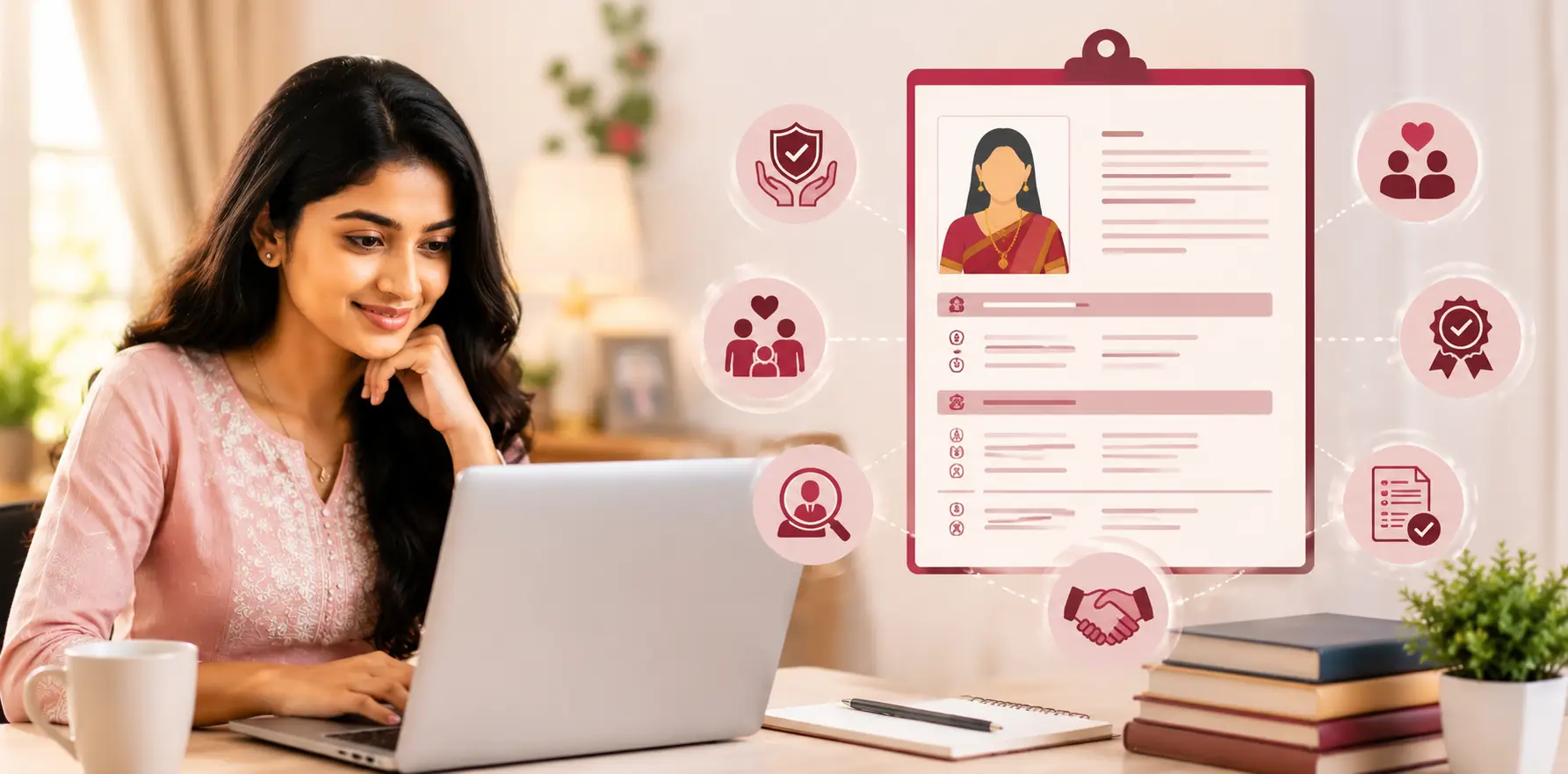
Marriage in India is not just an individual union; it is usually perceived as the union of two families, cultures and sometimes communities too. In such a multi-layered environment, things can get confusing. That is where a marriage biodata is required. It is no ordinary sheet of paper but a link connecting people who might never have otherwise met. A well-thought-out biodata facilitates the decrease in hesitation, generates interest and creates a platform for valuable interactions.
In the present era, when technology is playing a dominant role in finding matches, biodata still manages to have its own charm and appeal. People and families still find value in the organised process that it presents, as it conserves time and emotional strength. A good biodata is not all about impressing one with pretences but presenting a true picture that encourages the desired type of matches. Partnering up for life is probably the biggest decision one makes in life, isn’t it? It’s almost like buying a new book and unwrapping it. But, turning the pages one by one, finding the right person is only possible when you have a proper channel to introduce yourself to them. That is exactly where a marriage biodata could be your bestfriend. It helps the other person know who you are, even before the face-to-face interaction takes place. If you picture it as a warm and welcoming handshake on paper, it would be a lovely metaphor.
It narrates your journey in a charming and simple way so that it can help you get along with your soulmate.

What is a Marriage Biodata?
What does one really need a marriage biodata format for? In order to keep everything orderly, you certainly require a proper marriage biodata format. With a standard methodology, it is exceedingly simple for others to learn and interpret your life story. It indicates your earnestness in looking for a spouse and the way you value their time. So, the main information becomes prominent in the neat arrangement, thereby eliminating the possibility of confusion arising from excessive content.
Types of Marriage Biodata Format?
Marriage biodata templates are available in two primary categories:
Marriage Biodata Format for Boy
The main focus of this kind of bio would be on the boy’s profession, his education, and his everyday living. On one hand, it vividly illustrates the boy’s source of income, while on the other hand, it provides insight into his leisure activities. Furthermore, it also conveys the familial aspect, which is quite informative for the girl’s side of the family in order to have an idea about his background.
Marriage Biodata Format for Girl
This format highlights the girl’s education, talents, and values. It shows her sweet personality and the hobbies she enjoys every day. It gives the boy’s family a glimpse of the joy she will bring to their home.
What to Include in Your Marriage Biodata Format?
- Personal Details – Simple details like name, age, date of birth, gender, height and weight sometimes.
- Educational Qualifications – Degree, Certifications or Any Professional Courses.
- Family Background – Occupation of Parents, Details about Siblings, Cultural Background, Financial Status (occasionally).
- Hobbies and Interests – Spare time activities, passions and recreational activities. These details lend personality to biodata.
- Partner Preferences – Traits a partner is expected to have, such as educational background, lifestyle choices, and cultural compatibility.
- Contact Information – Distinct information regarding how to contact the individual or their family, preferably by phone or e-mail.
The Importance of an Impressive Marriage Biodata
The importance of a marriage biodata cannot be emphasised enough. It is the initial introduction, first impression and often the determining factor as to whether a conversation is even initiated. In arranged marriage setups, it establishes the tone prior to personal contact. A tidy, organised and honest biodata portrays sincerity, organisation and seriousness regarding the procedure. Marriage in India is not a personal matter. It is strongly based on tradition and society. Families prefer matches within language, religious and cultural background. A biodata facilitates the evaluation of such factors in advance.
1. First Impression
A biodata is usually the first thing that families read. If it looks sloppy, incomplete or confusing, interest quickly disappears.
2. Compatibility Assessment
It allows families to test alignment in education, culture, financial perspective or lifestyle practices before putting more effort into it.
3. Time-Saving Tool
A good biodata takes out irrelevant discussions by sifting out unsuitable profiles from the start.
4. Clarity and Expectations
By making clear one’s preferences and values, misunderstandings can be minimised later on.
5. Structured Matchmaking
It introduces order and consistency in the matchmaking process, particularly when more than one family is involved.
6. Wide Range of Choices
Because biodatas can be transmitted easily among relatives, communities or online sites, they broaden the range of matches.
What are the benefits of creating a marriage biodata format?
Using a standard format brings many great wins to your partner search.
1. A Personal Snapshot
This document gives a quick and beautiful picture of your entire life. It lets people see your best qualities in just a single glance.
2. Cultural Relevance
It respects family traditions by sharing the exact details that elders look for. This builds deep trust and respect between both sides from day one.
3. Matchmaking Made Easy
It simplifies the whole search so you do not feel stressed or lost. Families can compare notes easily to find the best match for you.
4. Time-Saving Tool
It cuts down on long phone calls filled with repetitive questions about your life. You only spend time talking to people who truly fit your goals.
5. Wide Range of Choices
A good layout lets you share your profile across different towns and communities. This opens up many new doors to find true love safely.
6. Easy Accessibility
You can save it as a digital file on your phone or print it out. This means you can send it to someone in just one second.
Tips for an Effective and Engaging Marriage Biodata
Creating a marriage biodata should not be an exercise in completing a government application form. It must be unambiguous, simple to read and personal. The document should have clear and to-the-point information. Inconsistent formatting, misspelling or irrelevant details decreases credibility.
- Clear Information – Use plain language to describe details without overusing jargon. Too much information can make the document monotonous.
- Be Honest – Concealing facts may cause problems down the line, so honesty is always the best option. Exaggerated information impresses at the start but leads to trust problems later.
- Be Specific About Preferences – Avoid general terms like “good nature”. Instead, include traits that you actually value, such as “career-orientated” or “family-orientated”.
- Highlight Your Strengths – Accomplishments, Hobbies or Special Attributes. They can make your profile stand out.
- Choose a Clear Photo – A fresh, light and humble photo assists in establishing trust and identifiability.
How to create a Marriage biodata
Making your personal profile is a very quick and simple task if you follow these steps.
1. Choose a template
Pick a beautiful design from a trusted website that looks clean and warm. A good design makes your information look very neat and pleasing to the eye.
2. Add personal and professional details
Type in your name, your school degrees, your family details, and your work status. Make sure you check all the spellings so there are no silly mistakes.
3. Use AI as a writing assistant
Let smart computer tools help you fix your sentences and make your tone sound friendly. This ensures your words flow nicely and feel completely natural to the reader.
4. Add visuals to make your biodata compelling
Put in one or two high-quality photos that show your warm and bright smile clearly. Good pictures make your page feel alive and highly inviting to viewers.
5. Download and share
Save the final file as a PDF on your computer or your mobile phone. Now you can text it or email it to family members instantly.
What difficulties do you face while creating biodata for marriage?
- It can be hard to choose the right words to describe your own personality without sounding proud.
- Many people do not know which details to put in and which ones to leave out.
- Picking the perfect photo that looks both formal and friendly can take a lot of time.
- It is tricky to talk about your partner’s expectations without sounding too demanding or picky.
- Designing a clean layout from scratch is difficult if you do not know how to use computers well.
Conclusion
A marriage biodata is not just a matter of spilling facts; it is an exercise in presenting yourself in a clear, respectful and honest manner. In the context of India, where arranged marriages remain a prevalent tradition, this form has the potential to unlock doors towards lifelong union. When carefully crafted, it does more than communicate facts—it communicates values, priorities and a sense of readiness for wedded life. Upgrading it periodically, making it sincere and presenting it in an organized manner makes sure that the right individuals reach out to you. In essence, a marriage biodata is more than a ritual. A sincere introduction can influence one of the most crucial life decisions. Though it feels like a mere piece of paper, a marriage biodata is filled with emotions, hopes and, in some cases, nervousness. For parents, getting a biodata ready for their child can be like introducing them to the world. For people, it is presenting their genuine self without coming off as overconfident. This is why most individuals spend a lot of time writing their biodata, either consulting their relatives or even professional designers. This is because this document may be the initial source in getting to know someone who will turn out to be a life partner.
FAQ's of Importance of Marriage biodata format
Is horoscope matching necessary for all Marriage biodatas?
No, based on individual or family practice. Some people believe it is a requirement, whereas others totally avoid it.
How is a resume different from a marriage biodata?
A resume talks about professional life only, whereas biodata has family, personal life, lifestyle and preferences.
Should I include my income in a marriage biodata?
It’s optional. Few families prefer openness, while some feel that such information should be revealed later on.
Is it compulsory to mention religion and caste in a marriage biodata?
Not necessarily at all. Most contemporary biodatas omit it, whereas the traditional ones include it.
Should I update my Marriage biodata regularly?
Yes, as circumstances in life change—job, domicile, achievements and even aspirations change with time.
admin
Table of Contents
You might also like: